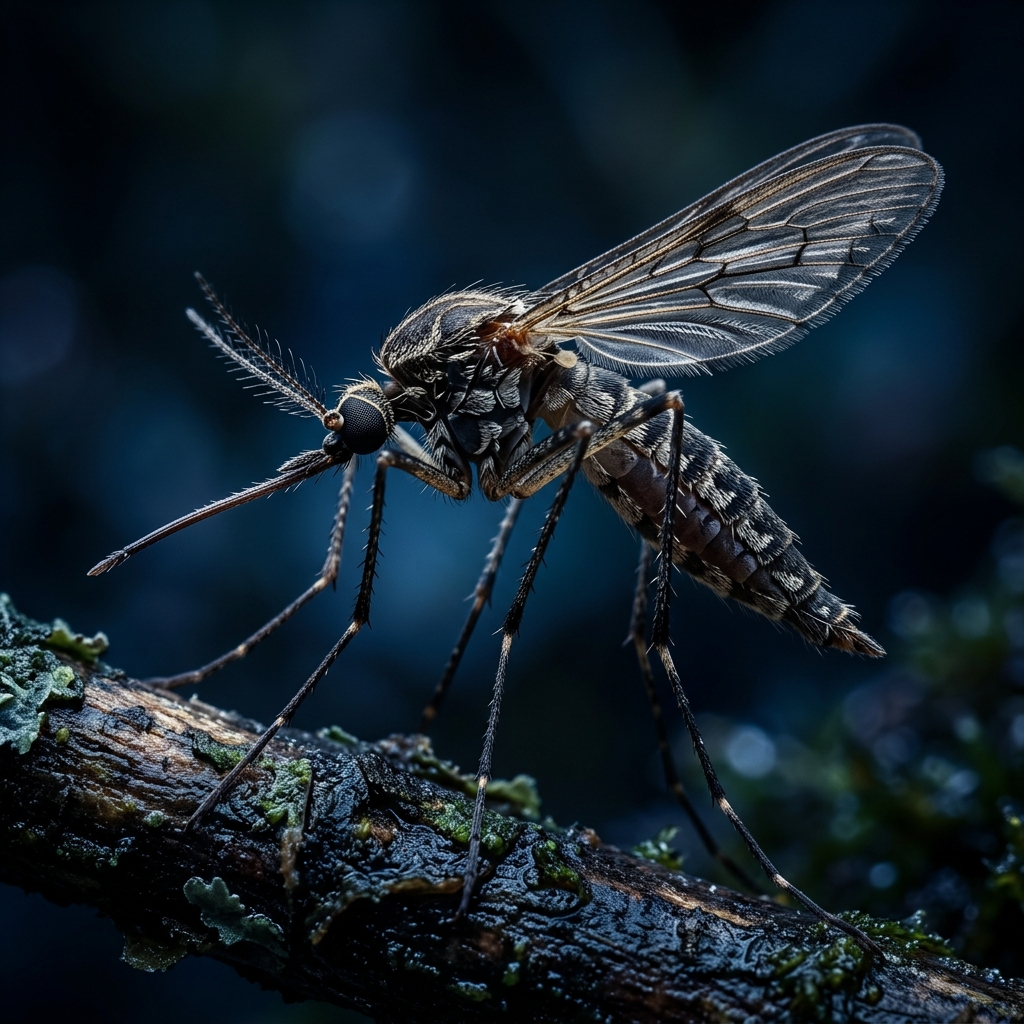
From the iridescent wings of beetles to the delicate dance of butterflies — journey through the most diverse group of organisms on Earth.
Insects are classified into over 30 orders. Here are the most diverse and fascinating groups you'll encounter in the natural world.
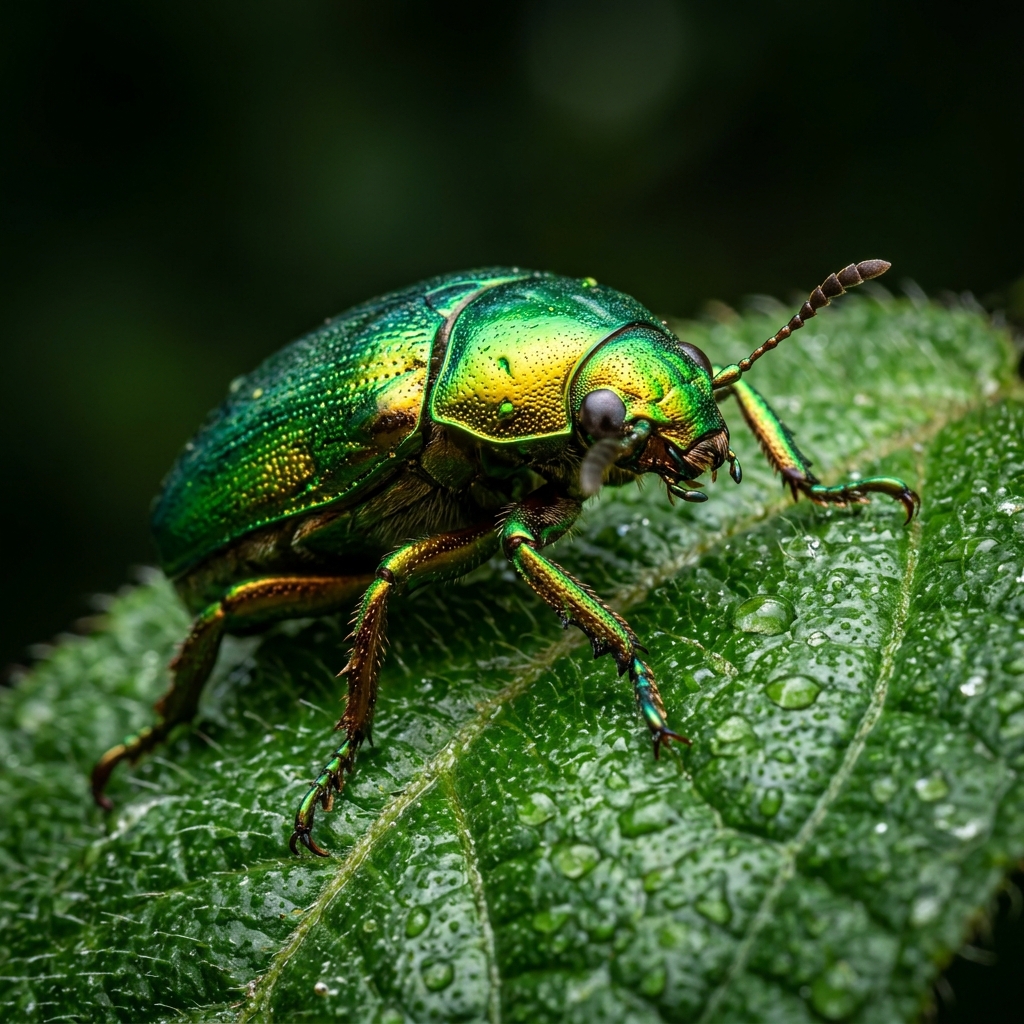
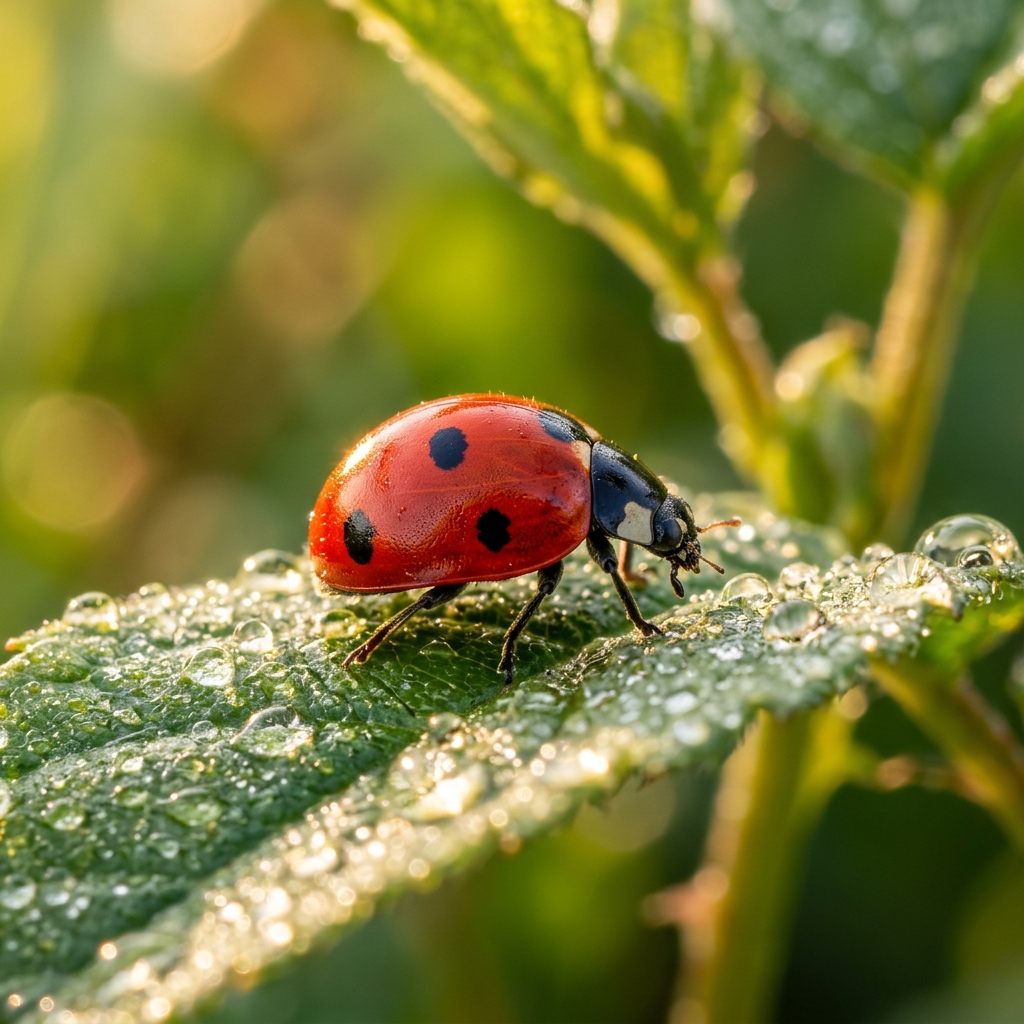
The largest order of insects with over 400,000 species. From ladybugs to stag beetles, their diversity is unmatched.
Wings covered in delicate scales, these pollinators undergo one of nature's most spectacular transformations.
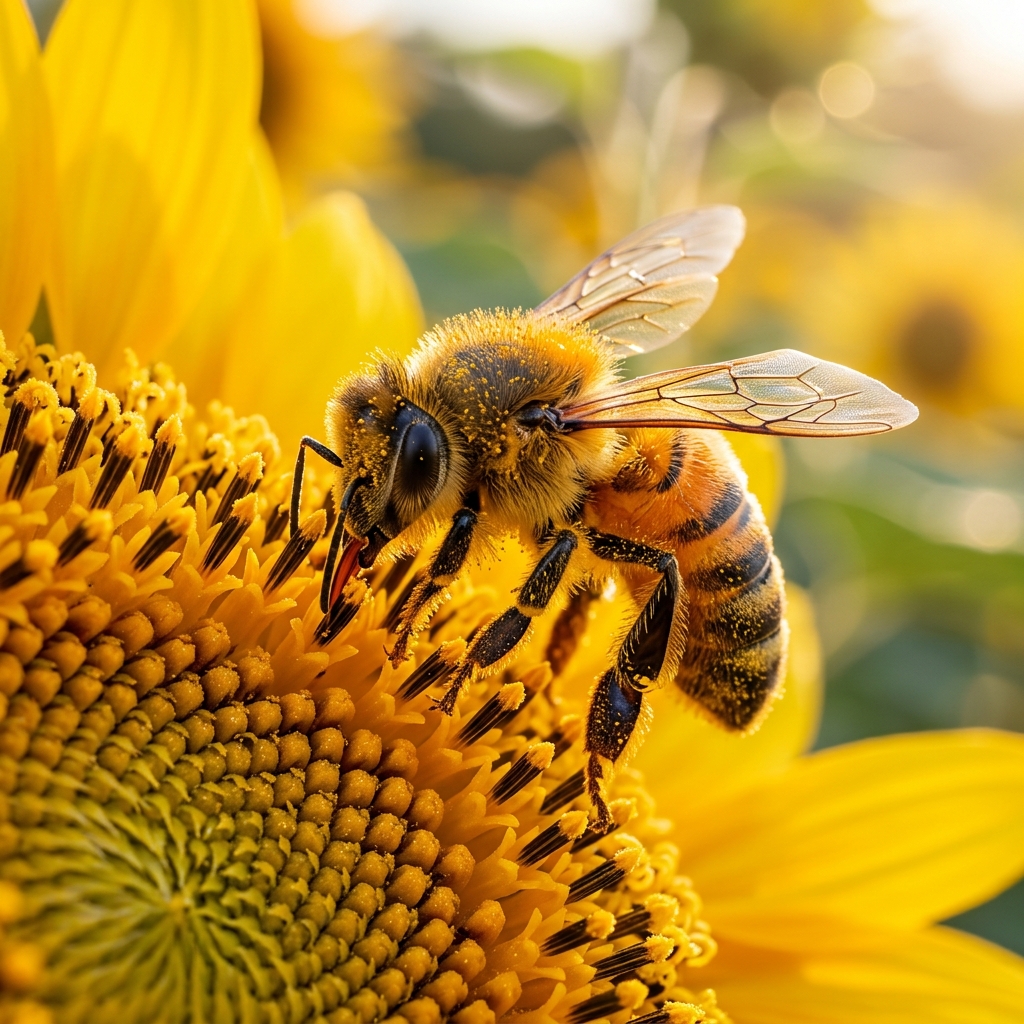
From the intricate societies of honey bees to the fierce hunting wasps. Masters of cooperation and engineering.
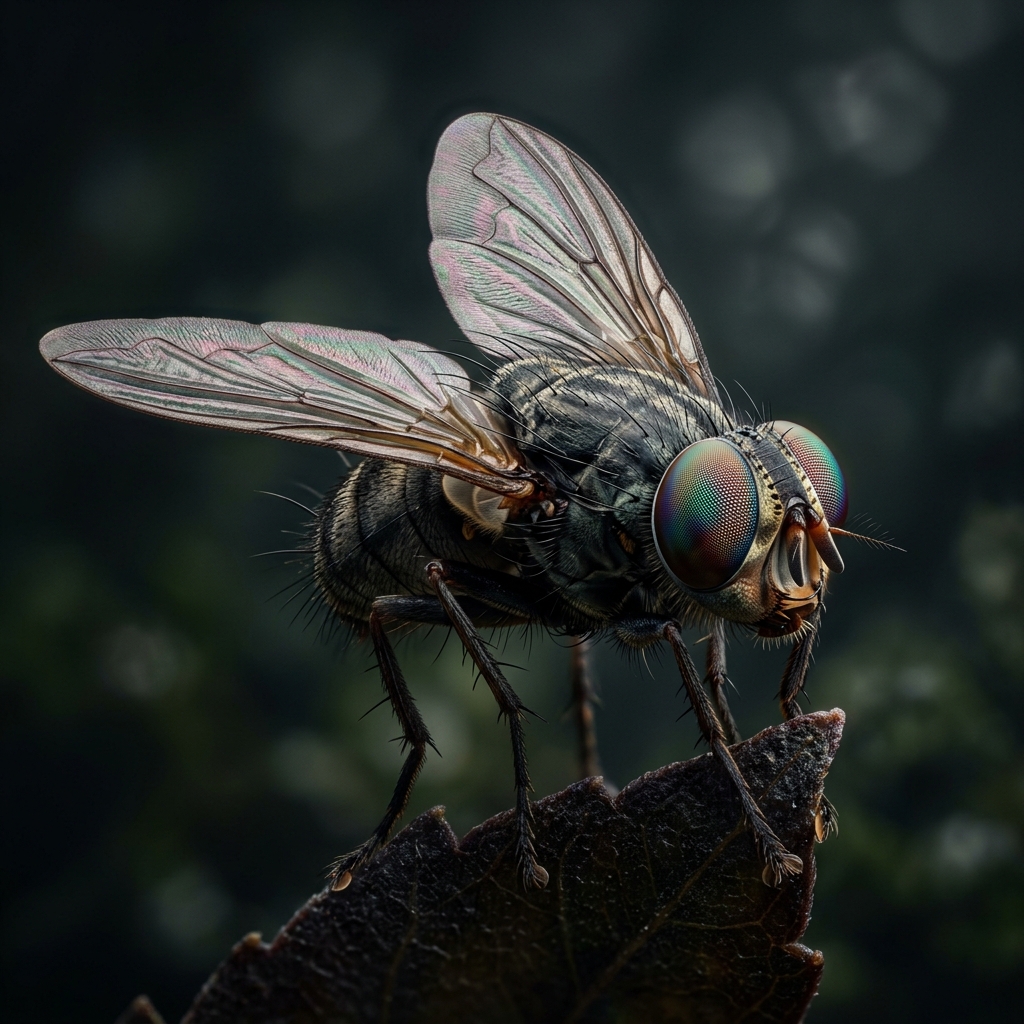
Distinguished by a single pair of wings, this order includes mosquitoes, gnats, and the acrobatic housefly.
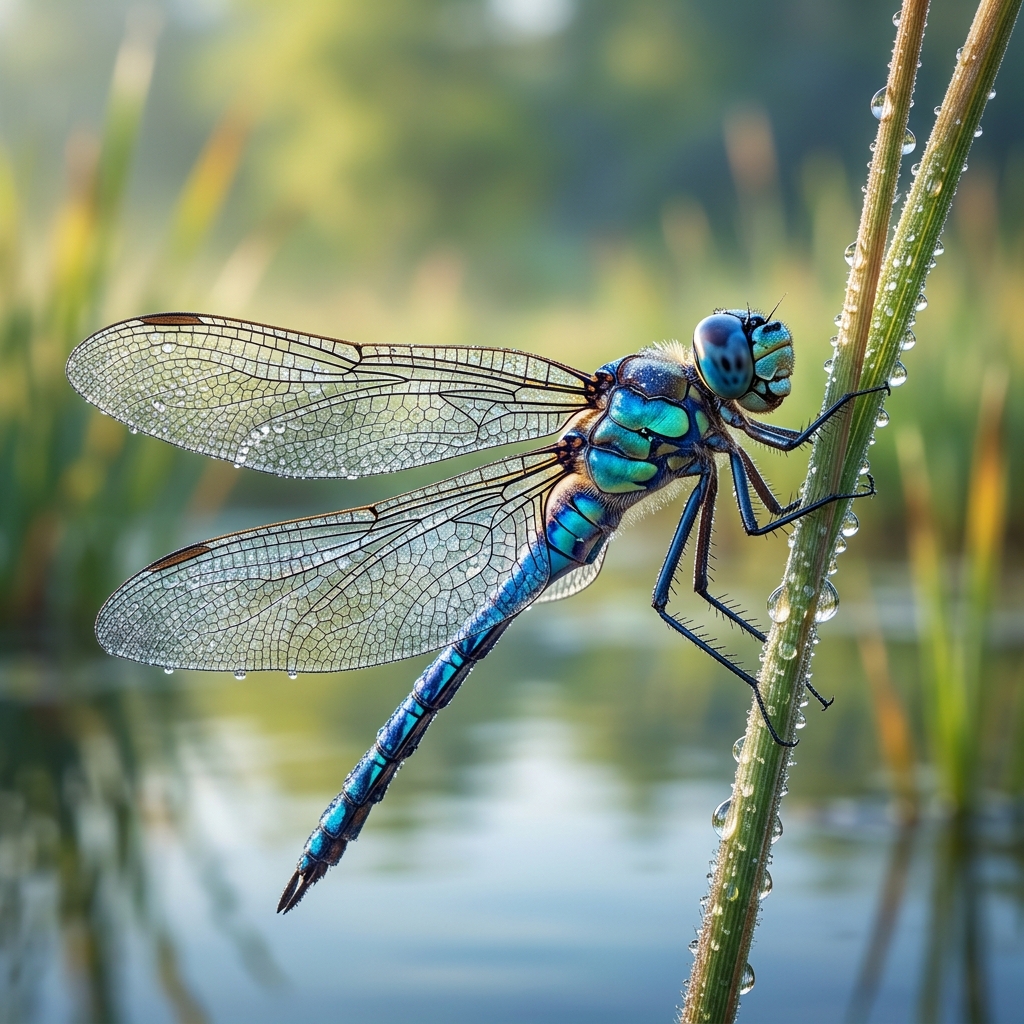
Ancient aerial predators with incredible flight capabilities. They've been cruising Earth's skies for 300 million years.
The only insects scientifically called "bugs." Includes cicadas, aphids, and assassin bugs with piercing mouthparts.
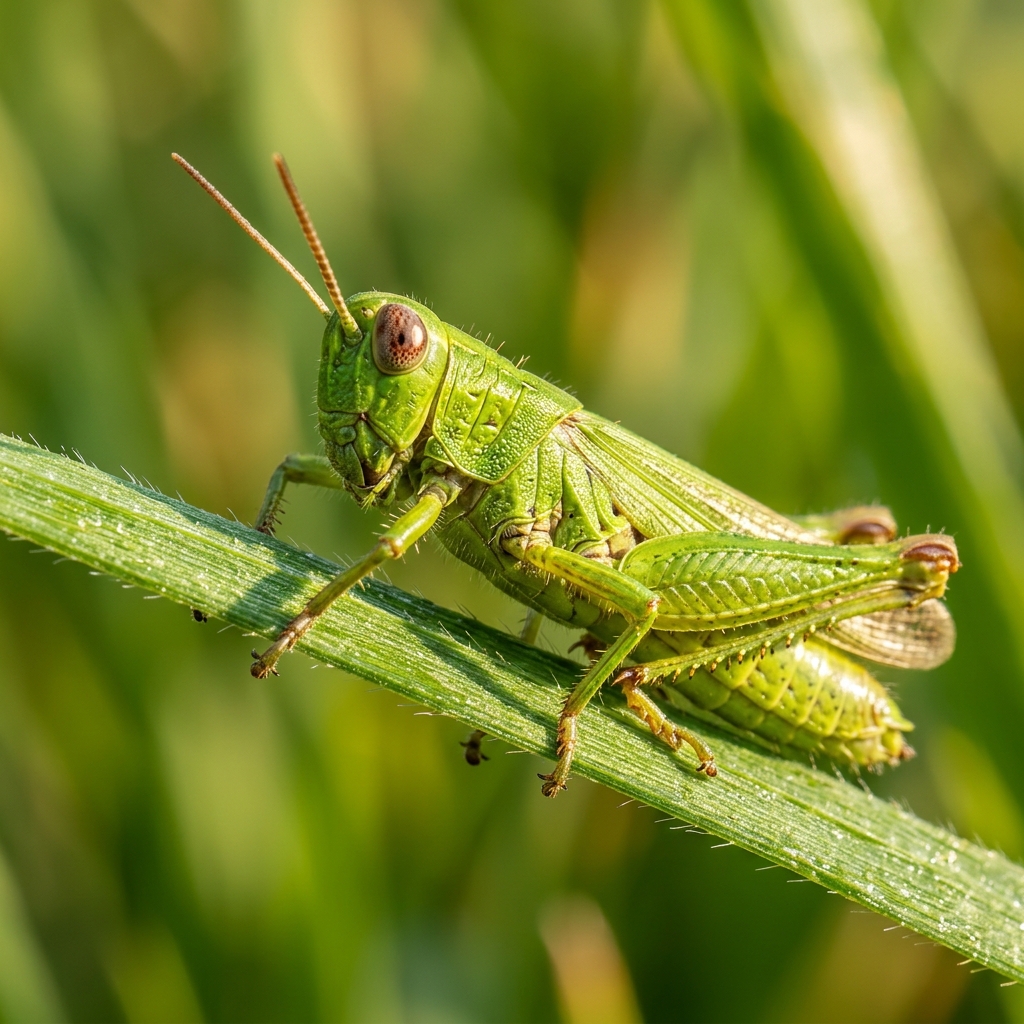
Powerful jumpers and musical maestros of the insect world. Their songs fill summer nights across every continent.
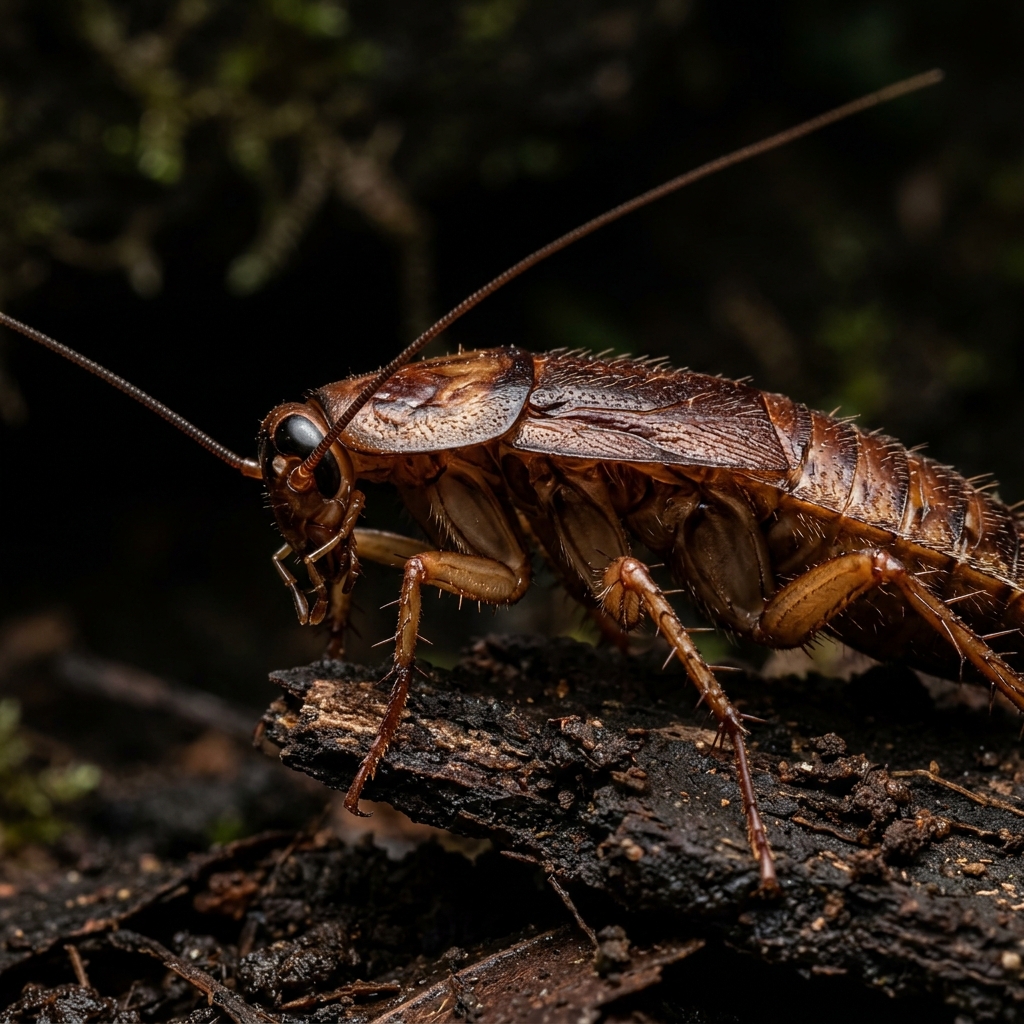
Ancient survivors dating back 300 million years. Termites build towering mounds while cockroaches thrive everywhere.
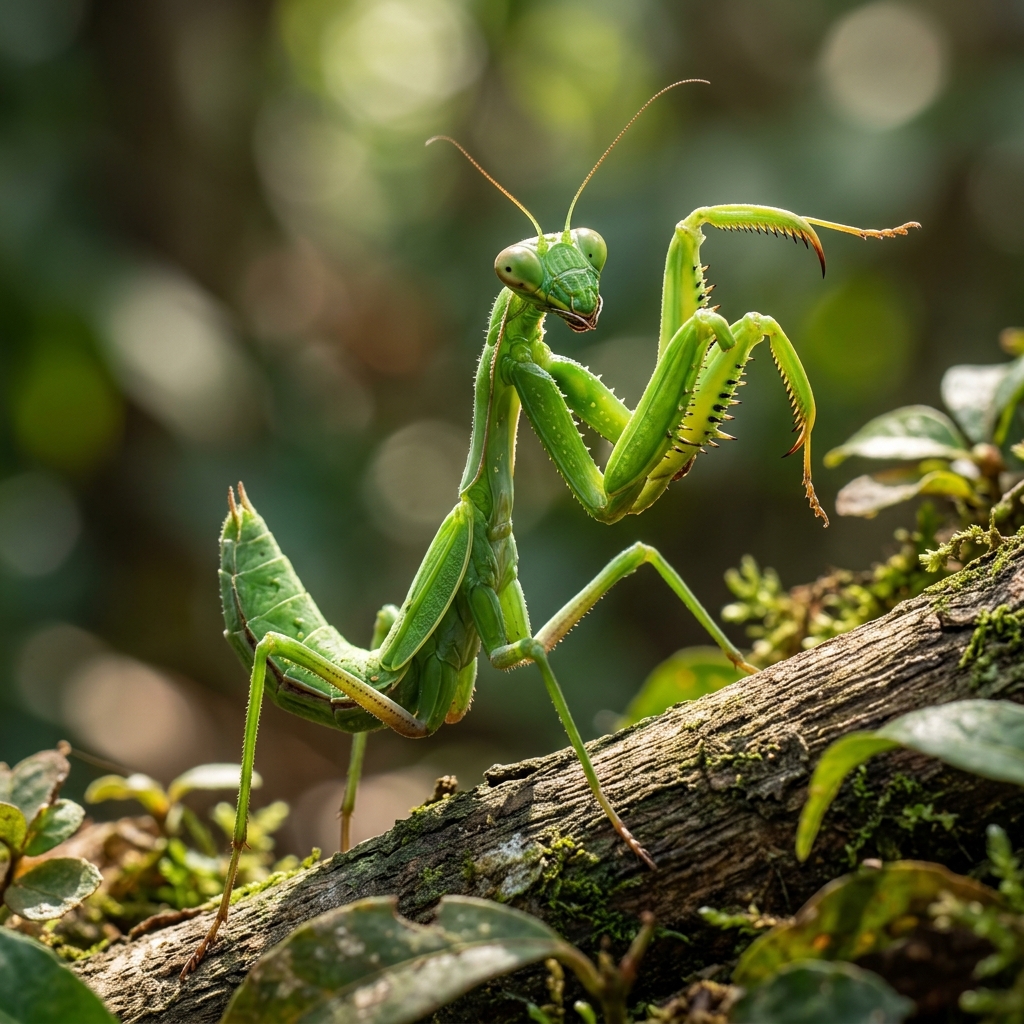
Stealthy ambush predators with triangular heads and lightning-fast raptorial forelegs. Masters of camouflage.
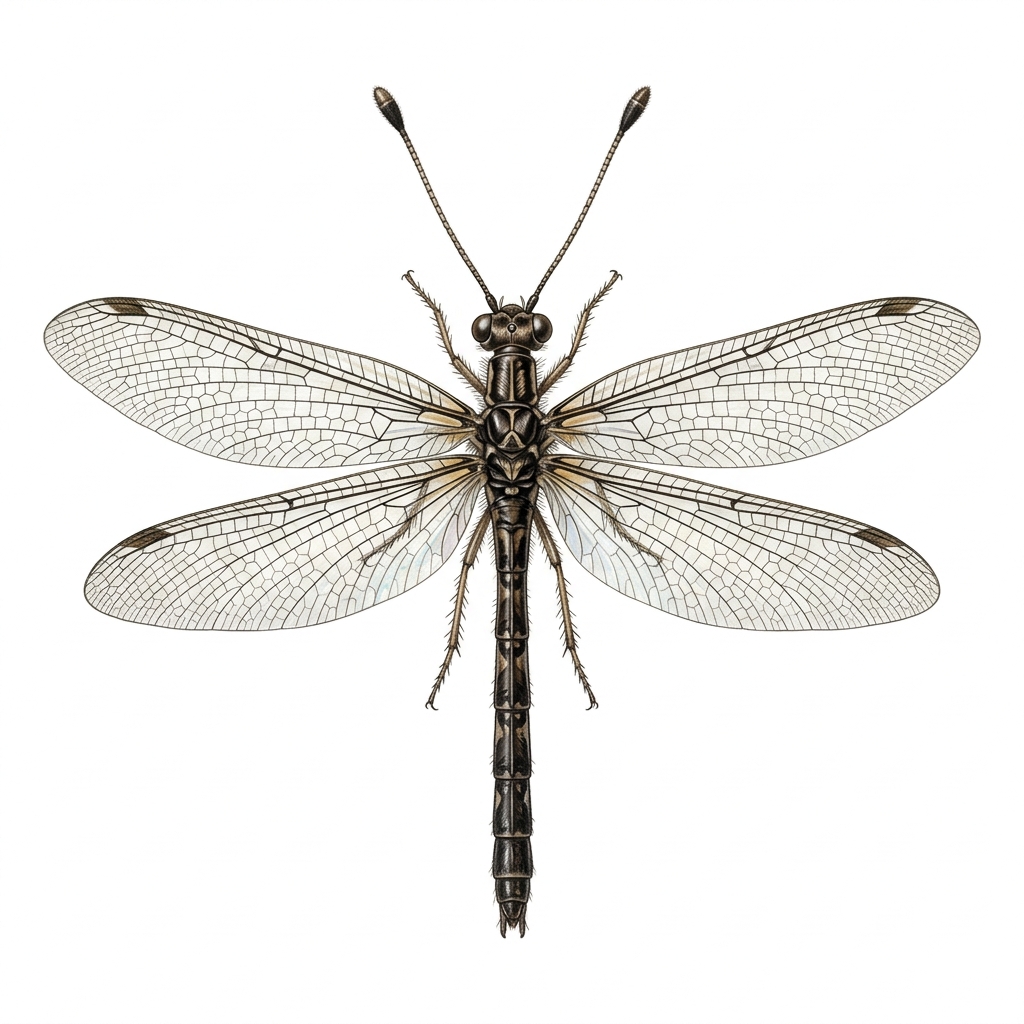
Delicate net-winged insects whose larvae are voracious predators. Antlion larvae build ingenious sand pit traps.
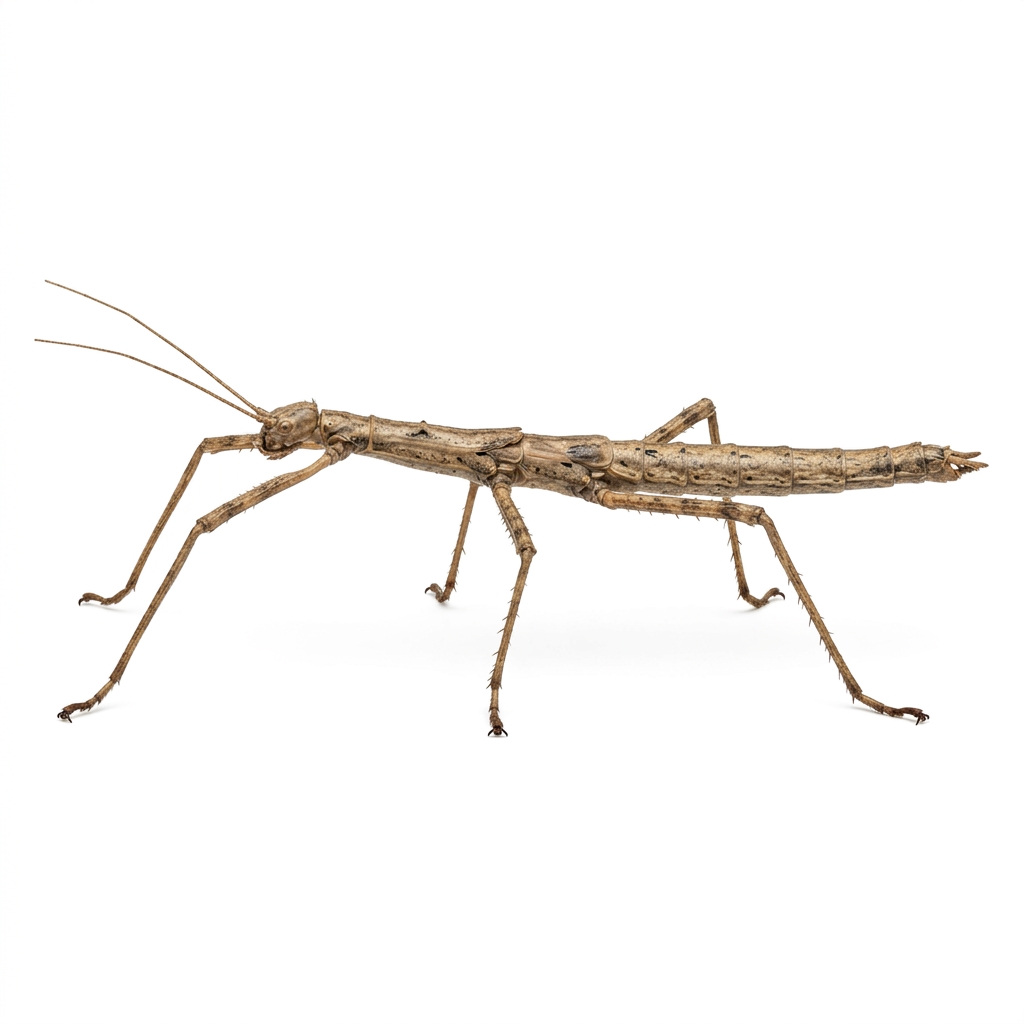
Nature's ultimate masters of disguise. Some species exceed 60 cm, making them the longest insects in the world.
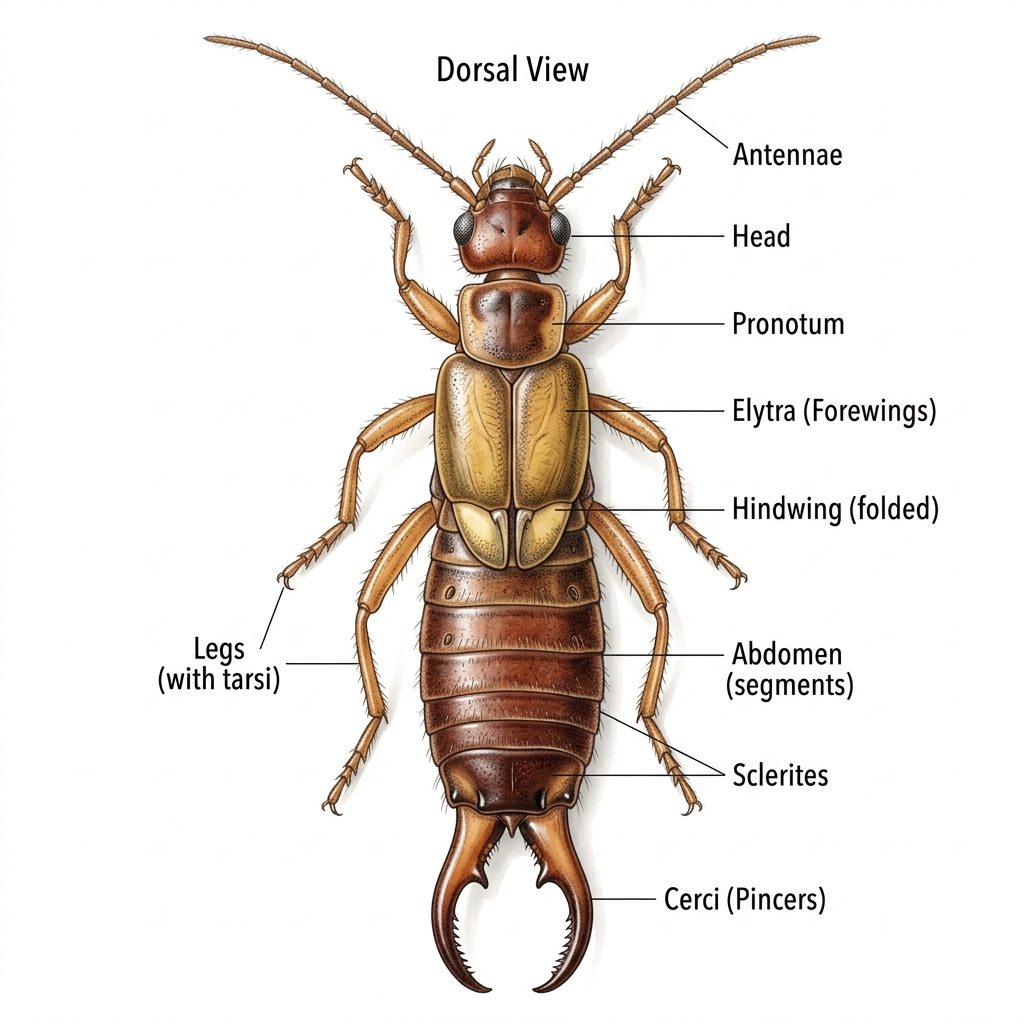
Earwigs, fleas, silverfish, mayflies and more — discover the lesser-known but equally fascinating insect orders.
Meet some of the most recognizable and fascinating insects found across the globe.
Masters of ambush hunting with triangular heads that can rotate 180°. Their lightning-fast forelegs strike in 50-70 milliseconds.
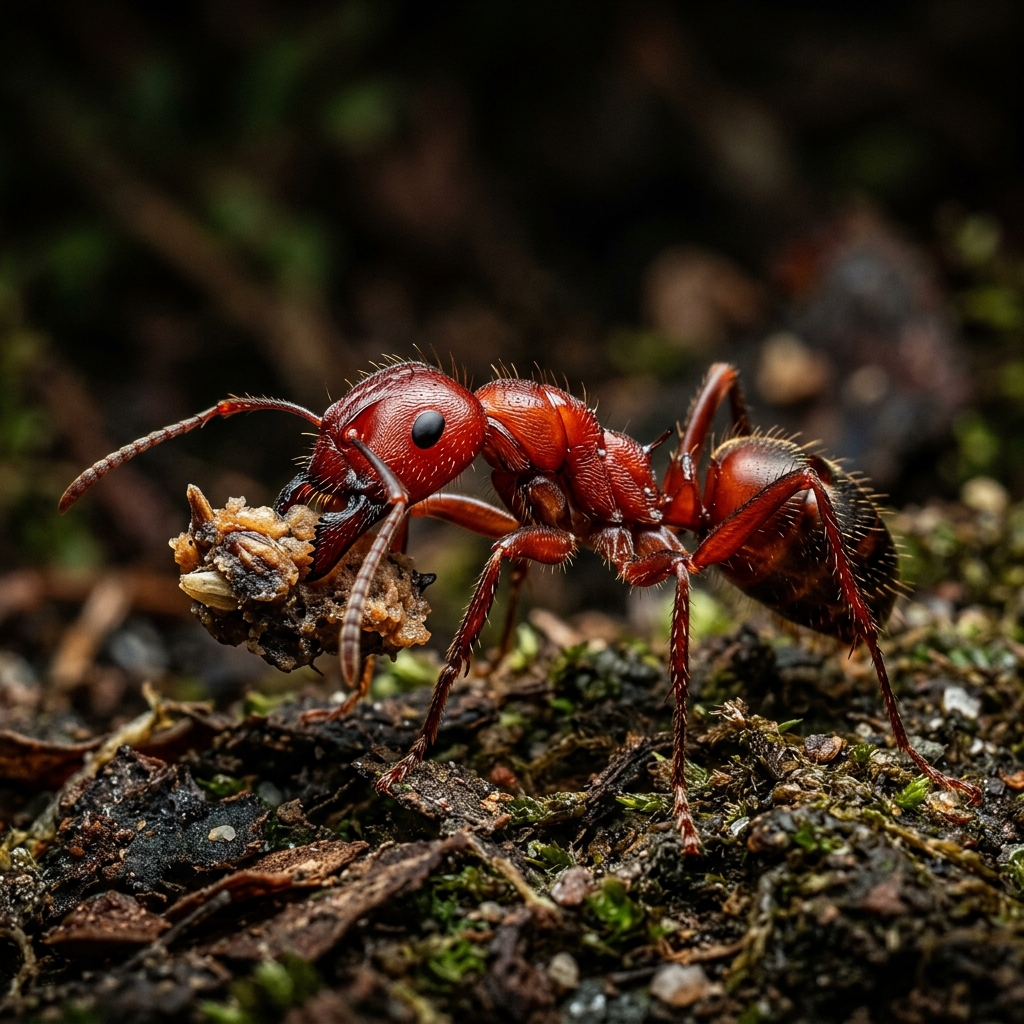
Building complex colonies with millions of members. Fire ants can lift up to 50 times their own body weight and form living bridges.
Though tiny and fragile, mosquitoes are considered the deadliest animals on Earth, responsible for more human deaths than any other creature.
Equipped with powerful hind legs, grasshoppers can leap 20 times their body length. When swarming as locusts, they can devour entire crop fields.
Existing for over 300 million years, cockroaches can survive without their head for a week and withstand radiation levels lethal to humans.
Insects are classified using a hierarchical system based on evolutionary relationships.
One in every four animal species on Earth is a beetle. The order Coleoptera has more species than any other order in the animal kingdom.
Scientists estimate there are about 10 quadrillion (10,000,000,000,000,000) individual insects alive on Earth at any given moment.
Monarch butterflies travel up to 3,000 miles during their annual migration from Canada to Mexico — one of nature's greatest journeys.
A dragonfly's compound eyes contain up to 30,000 facets, giving them nearly 360-degree vision to spot prey in flight.
Insect pollinators contribute an estimated $235 billion to the global food economy each year through crop pollination.
Insects evolved over 400 million years ago — about 170 million years before the first dinosaurs appeared on Earth.
Use our interactive identification guide to determine what type of bug you've found. Match features, compare images, and learn about the insects around you.
Start Identification